

Building a Healthier New York: Science-Based Alcohol Policy
We are dedicated to reducing alcohol-related harm through systemic policy change by bridging the gap between data and effective environmental strategies.
THE URGENCY
The Toll on Our Communities
Over 8,000 New Yorkers die every year from excessive alcohol use.
Causes with a longer duration from the time of onset to the time of death such as liver disease due to alcohol use or alcohol-related cancer.
per year1
Causes with a very short duration from the time of onset to the time of death such as alcohol poisoning, motor-vehicle traffic crashes, and suicide.
Adults in New York State report binge or heavy drinking.2
24% of New York State (excluding New York City) and 17% of New York City high school students report current alcohol use.3
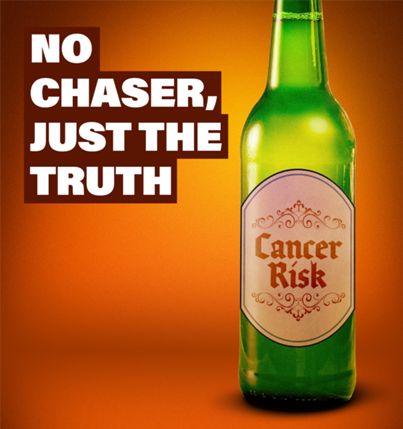
Consuming alcohol increases the risk of developing at least 7 types of cancer.4
Estimated annual economic cost to New York State due to excessive alcohol use.5
OUR FRAMEWORK
The status quo is unsustainable!
Alcohol-related harm is a widespread public health crisis. From increasing cancer risks to straining our emergency rooms and law enforcement, the impacts are felt in every community across New York State. The Alcohol Policy Framework to Prevent Excessive Drinking and Related Harms for New York State was developed in 2025 by community organizations, public health leaders, government agencies, and academic partners in response to rising alcohol-related harms and expanded alcohol availability across New York. The Framework establishes six core strategies, three of which establish infrastructure to support policy development:
Facilitating Strategies:
1. Establish statewide publicly funded alcohol prevention program
2. Educate policymakers
3. Cultivate philanthropic support
Prevention Policy Strategies:
4. Increase alcohol taxes
5. Reduce youth advertising exposure
6. Implement mandatory server training

“Public health is what we, as a society, do collectively to assure the conditions in which people can be healthy.”
— INSTITUTE OF MEDICINE
News & Updates
Access the latest news updates to stay informed and ready to advocate!


Deaths shown are attributable to excessive alcohol use, which includes binge or heavy drinking and any kind of drinking by pregnant people or people under age 21. Data source: Centers for Disease Control and Prevention. Alcohol Related Disease Impact (ARDI) application, 2022.
Binge drinking is defined as consuming 4 or more drinks for women and 5 or more drinks for men on a single occasion. Heavy drinking is defined as consuming 8 or more drinks per week for women and 15 or more drinks per week for men. Data source: New York State Behavioral Risk Factor Surveillance System (2024)
Data source: Youth Risk Behavior Surveillance System
Data source: National Cancer Institute. Alcohol and Cancer Risk.
$16.3 billion is in 2010 dollars. When adjusted for inflation to 2025 dollars, the amount is closer to $24.2 billion. Data source: Sacks JJ, Gonzales KR, Bouchery EE, Tomedi LE, Brewer RD. 2010 National and state costs of excessive alcohol consumption. Am J Prev Med. 2015;49(5):e73-e79. doi:10.1016/j.amepre. 2015.05.031